
Press Releases
Jun 11, 2026hephaesnus
Launch of the New Sallus Portal
Discover the new Sallus website. Learn about our innovative thermo-responsive fire retardant solutions, 100% biodegradable and non-toxic. Visit sallus.pt!

Follow the latest scientific publications, advances in ecological fire protection and international recognitions of Hephaesnus.
Discover the new Sallus website. Learn about our innovative thermo-responsive fire retardant solutions, 100% biodegradable and non-toxic. Visit sallus.pt!
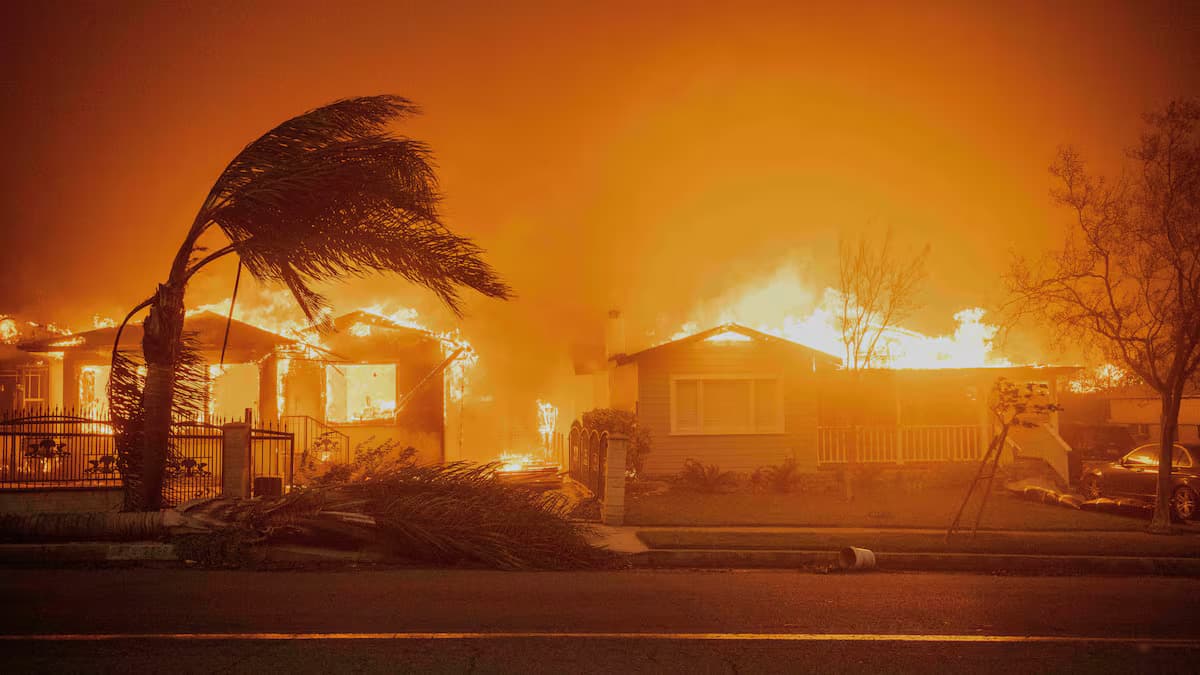
Wildfires increasingly reach cities. The role of the wildland-urban interface and climate change.
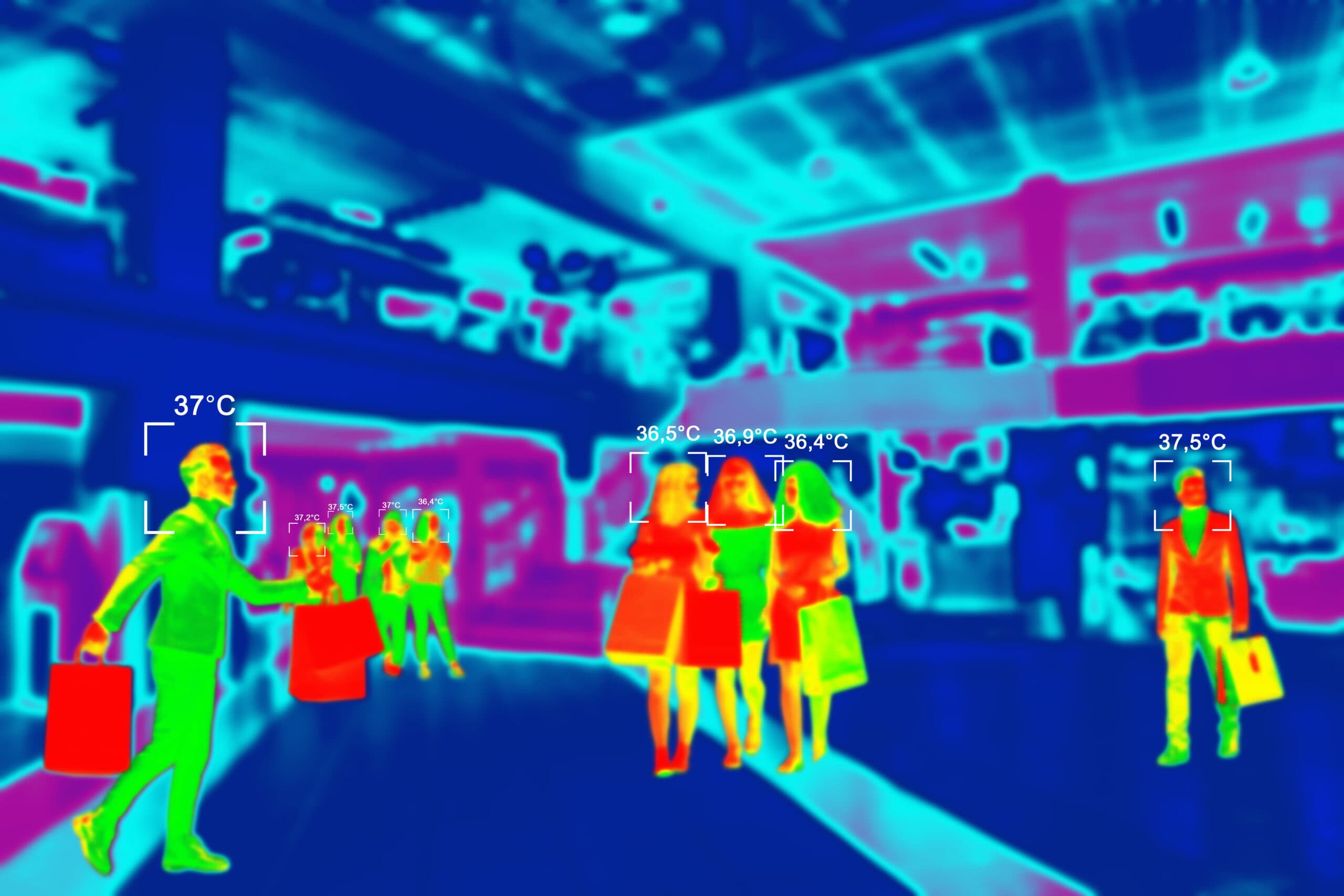
How thermal cameras work, how they are used in firefighting and how Hephaesnus is working on fire detection.

Wild camping and motorhome camping: how to enjoy these alternative ways of camping safely.
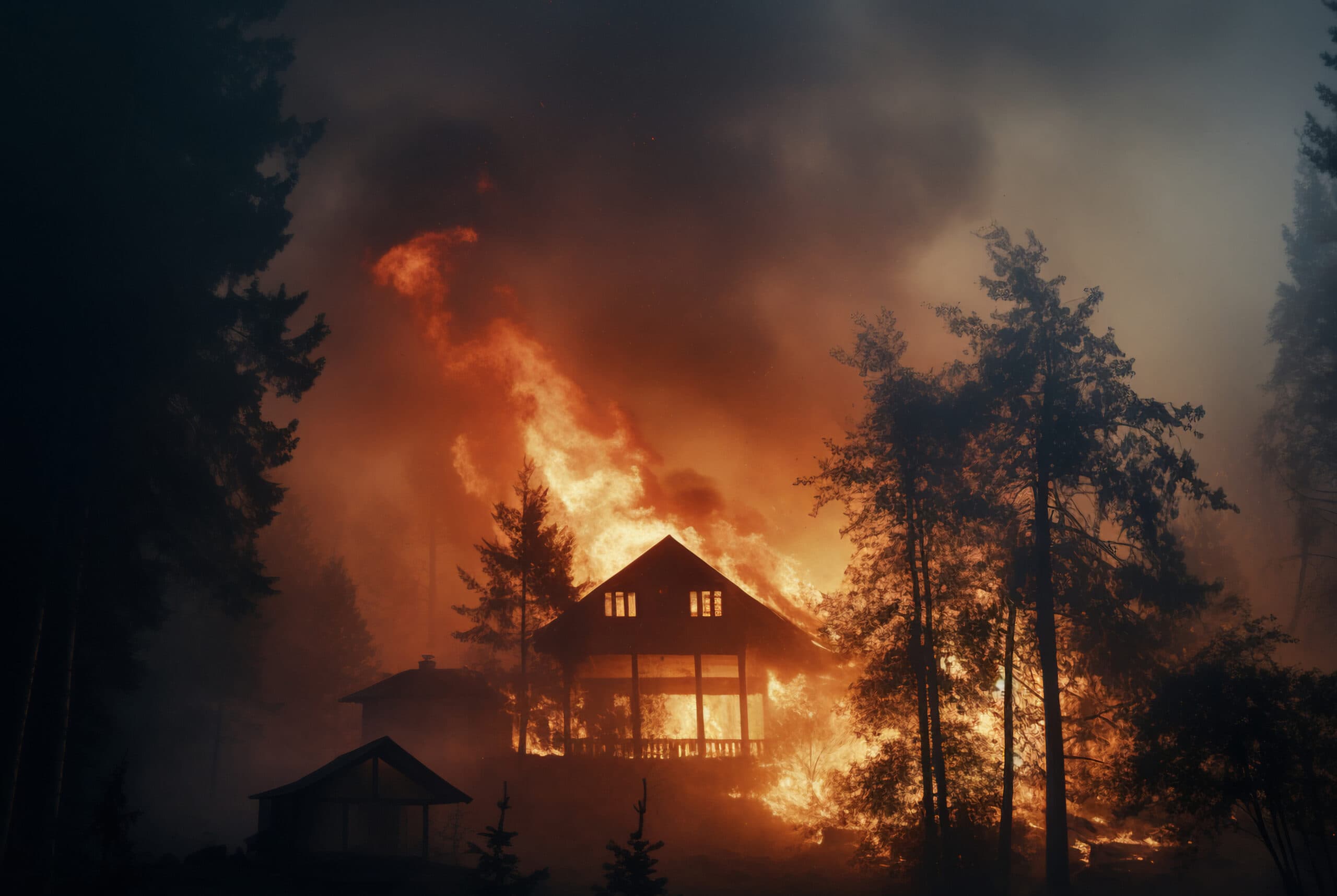
The health effects of smoke inhalation, the most vulnerable groups and recommendations to limit the damage.
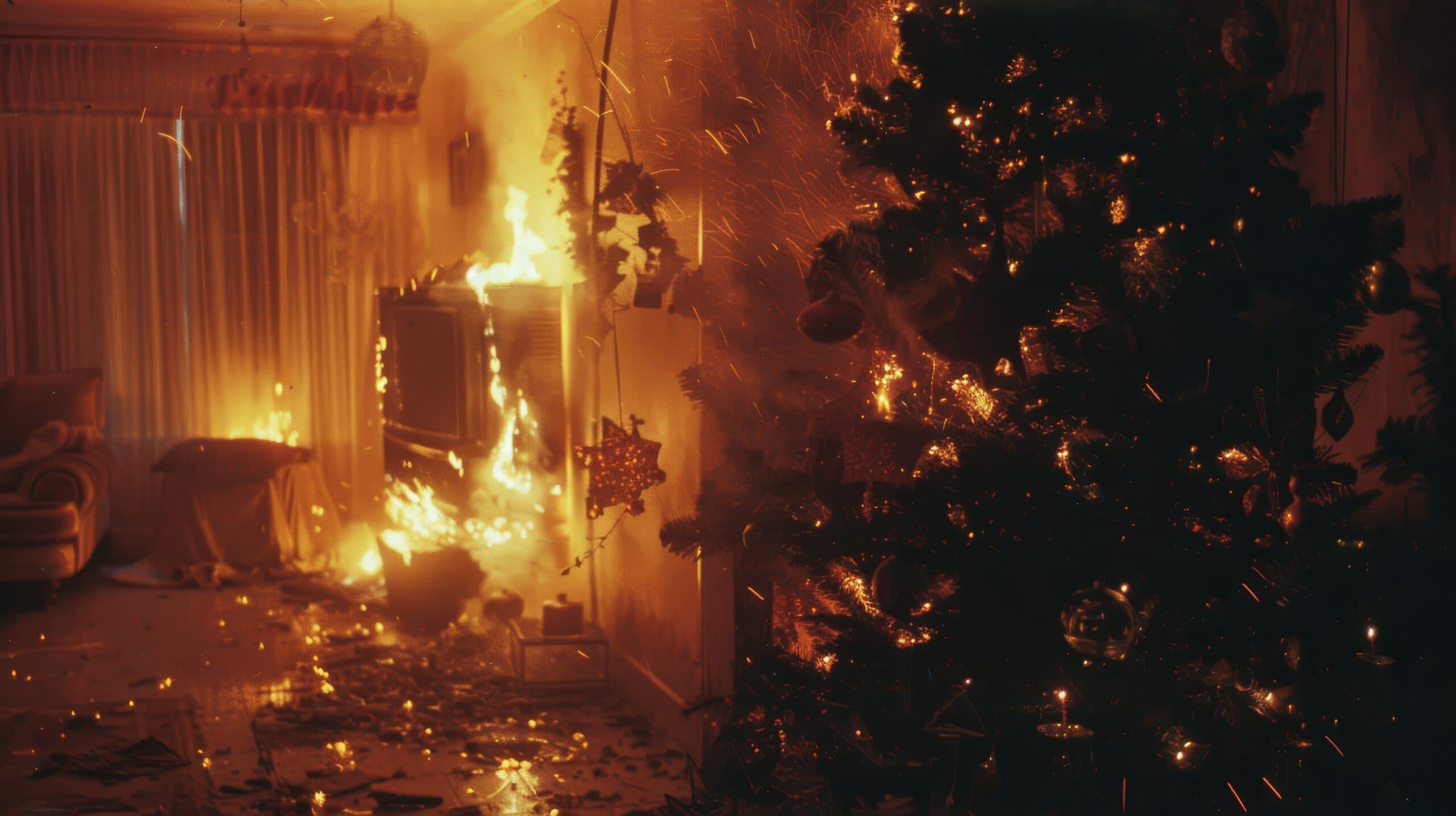
Backdraft and flashover: how thermodynamic phenomena happen during a fire and how to recognise them.
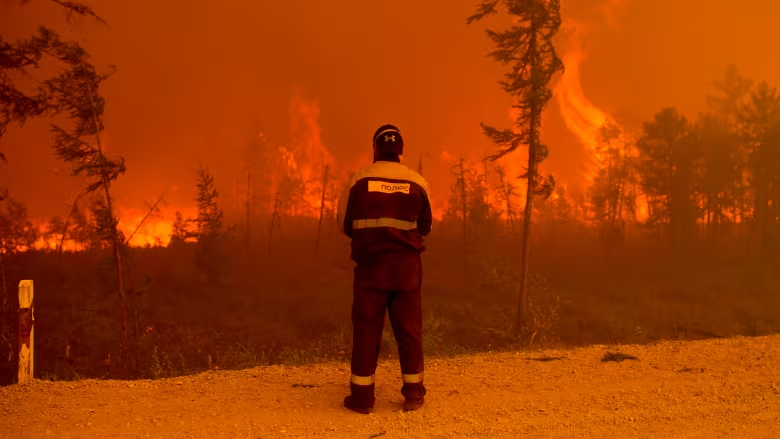
Higher temperatures, droughts and strong winds: the link between climate change and the rise in wildfires.
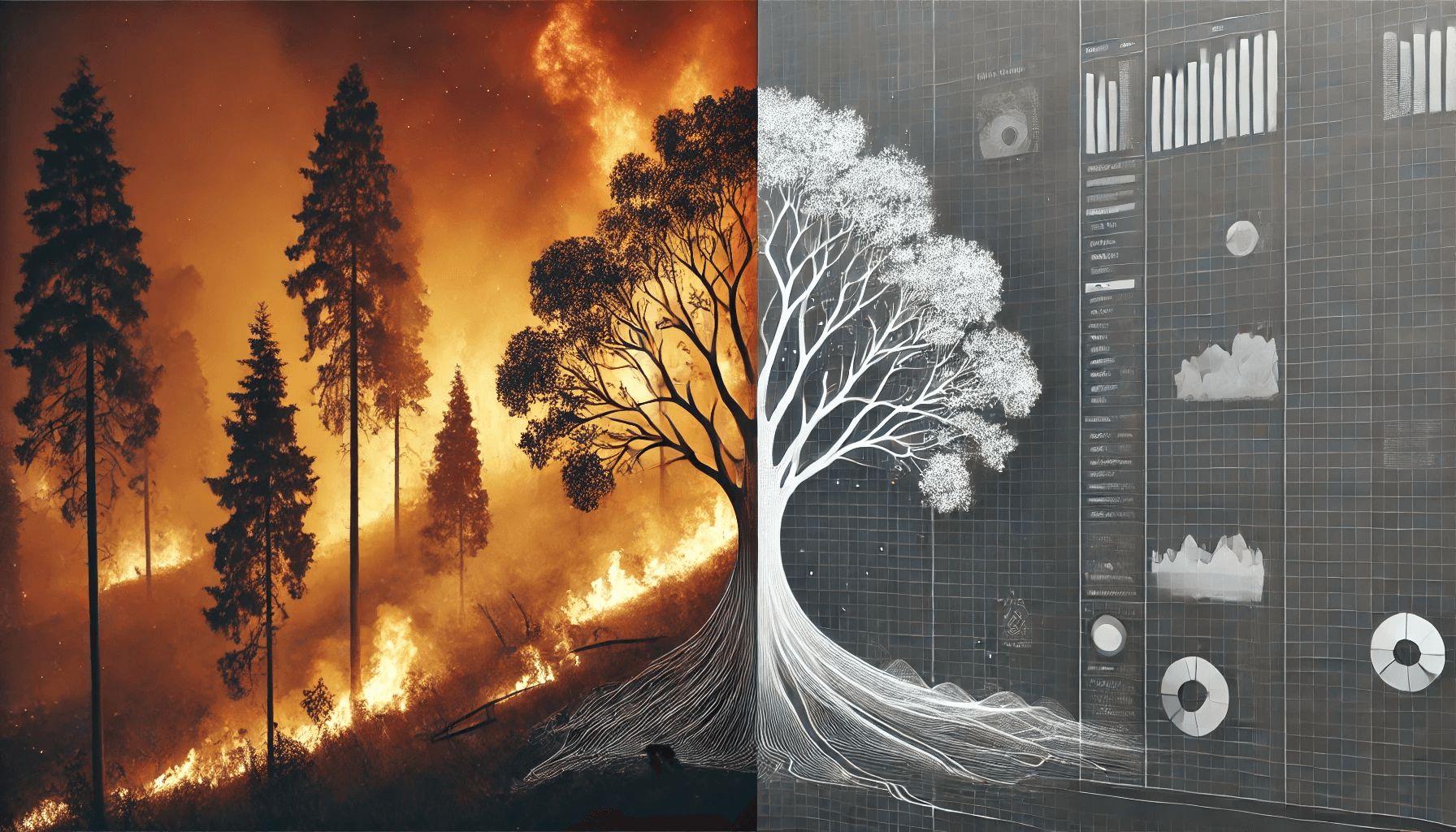
Digital Twin technology uses real data to simulate wildfires and improve response and prevention.
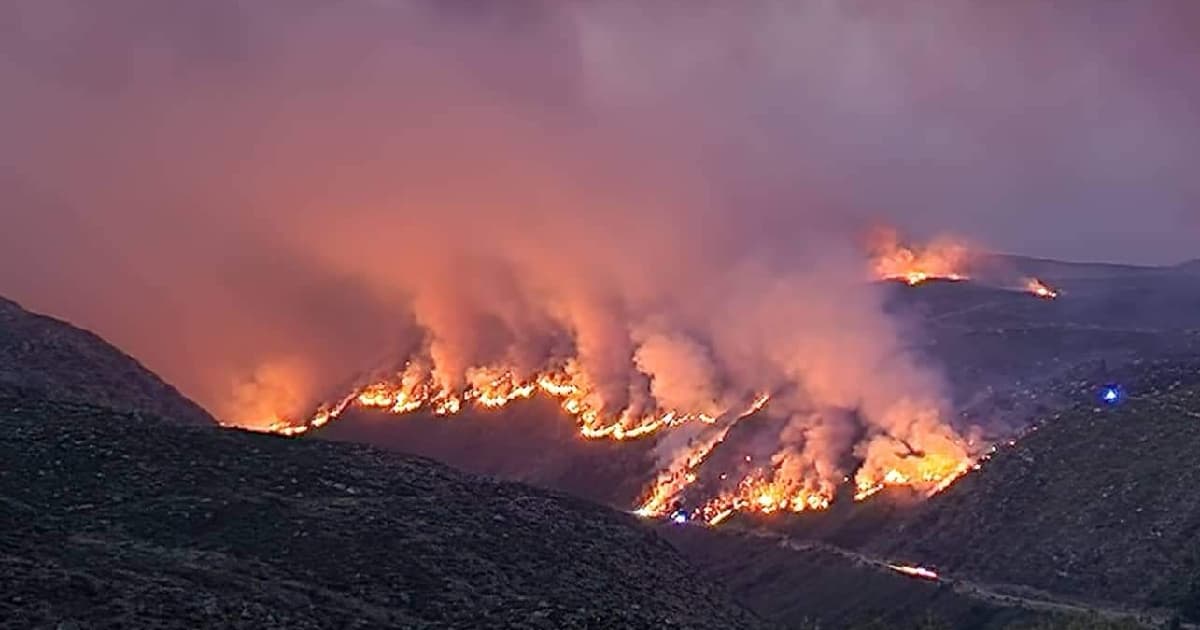
From pre-fire reconnaissance to post-fire analysis: the three phases in which drones help fight wildfires.
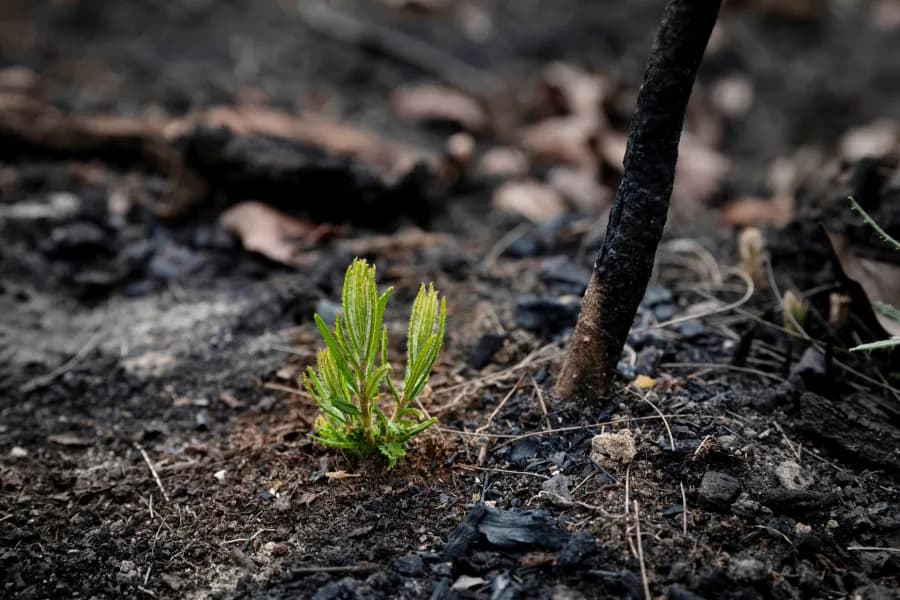
Traditional Ecological Knowledge (TEK) and its role in sustainable land management and wildfire prevention.
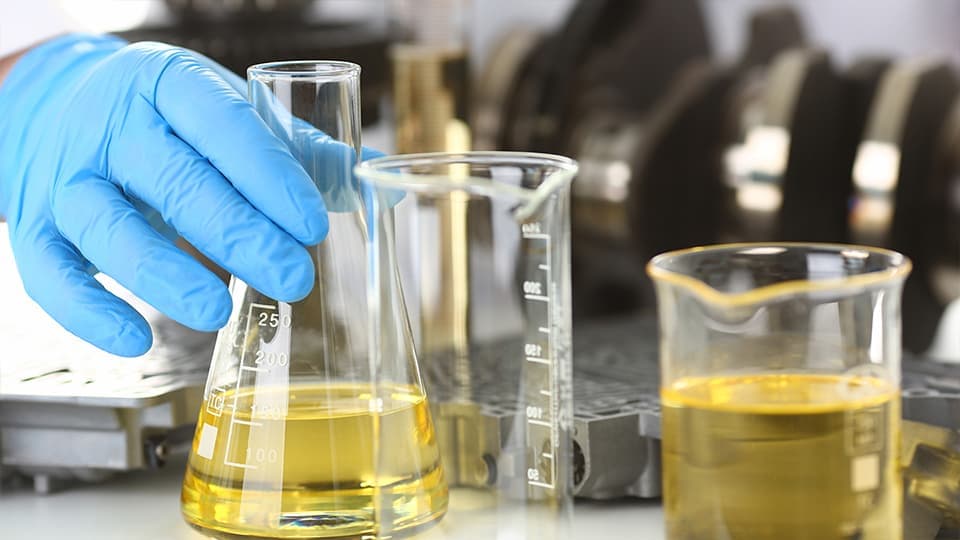
What PFAS, the so-called forever chemicals, are, where they are used and their impact on health and the environment.

Lithium-ion and lead-acid batteries: why they catch fire and how these fires should be put out.
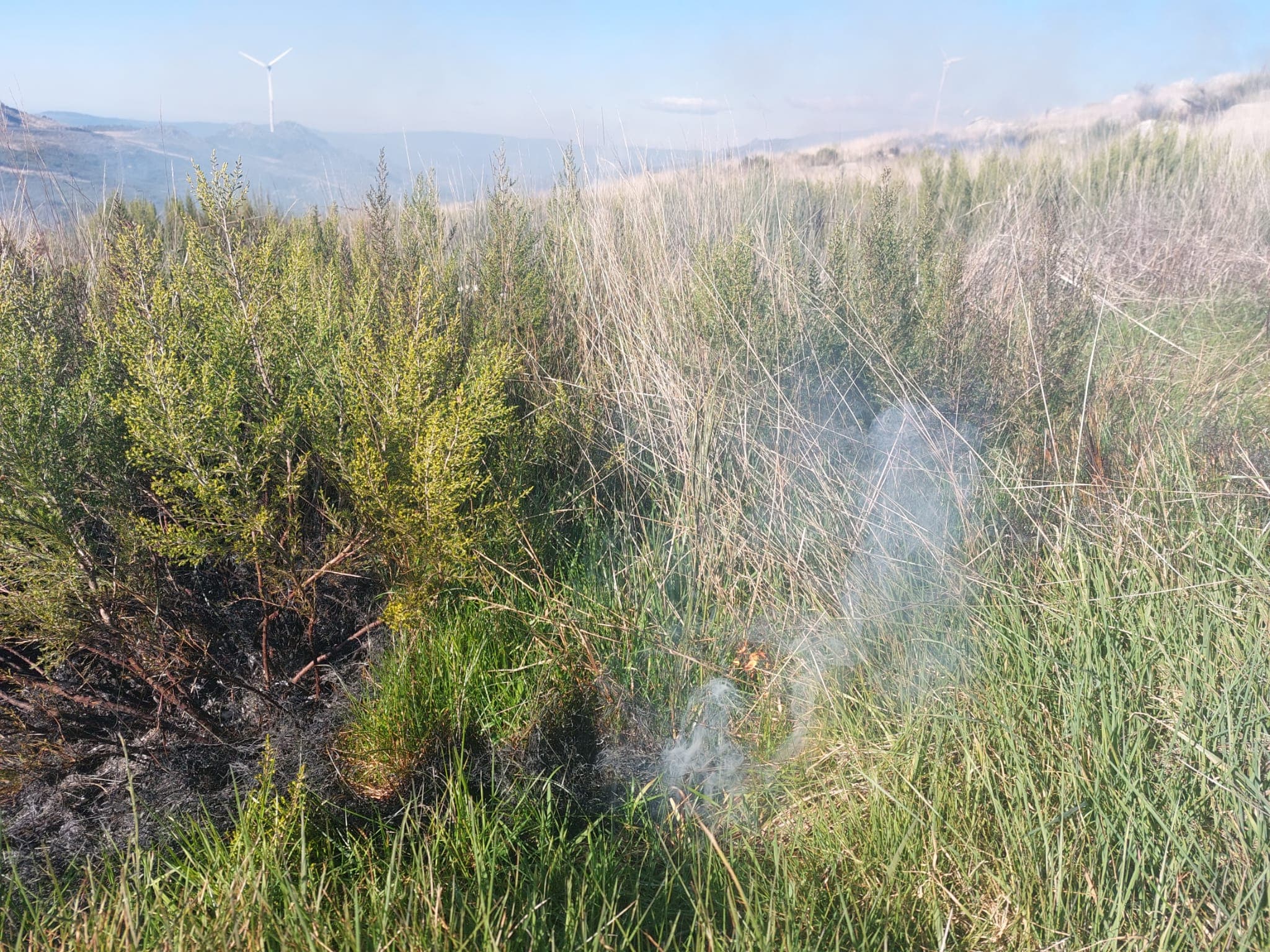
How shifting cultivation used controlled fire to regenerate the soil and reduce wildfire risk.
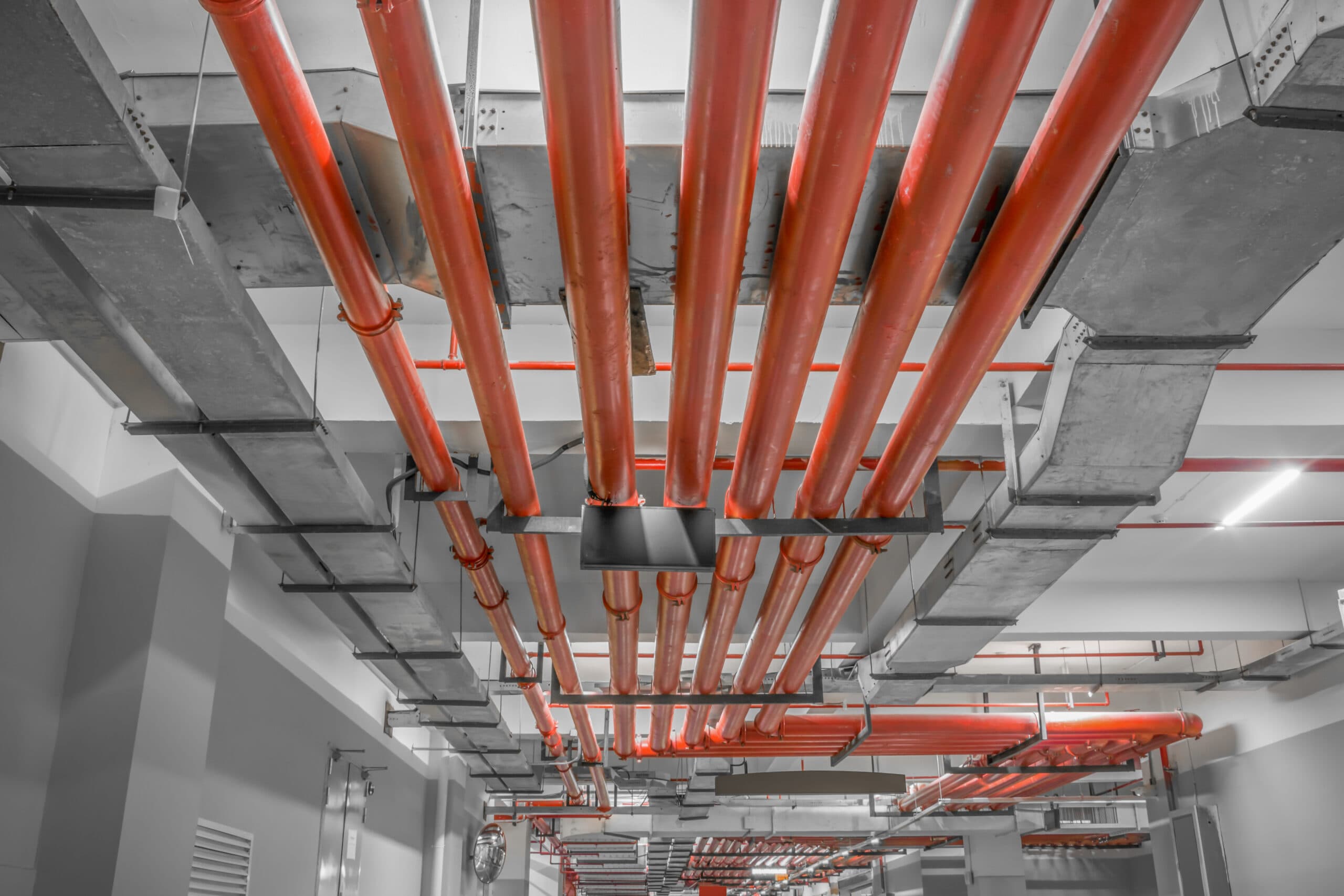
Inspections, testing, records and cleaning: the essential measures to keep fire protection systems operational.

Glamping and campsites differ in definition, in the law and also in fire protection.
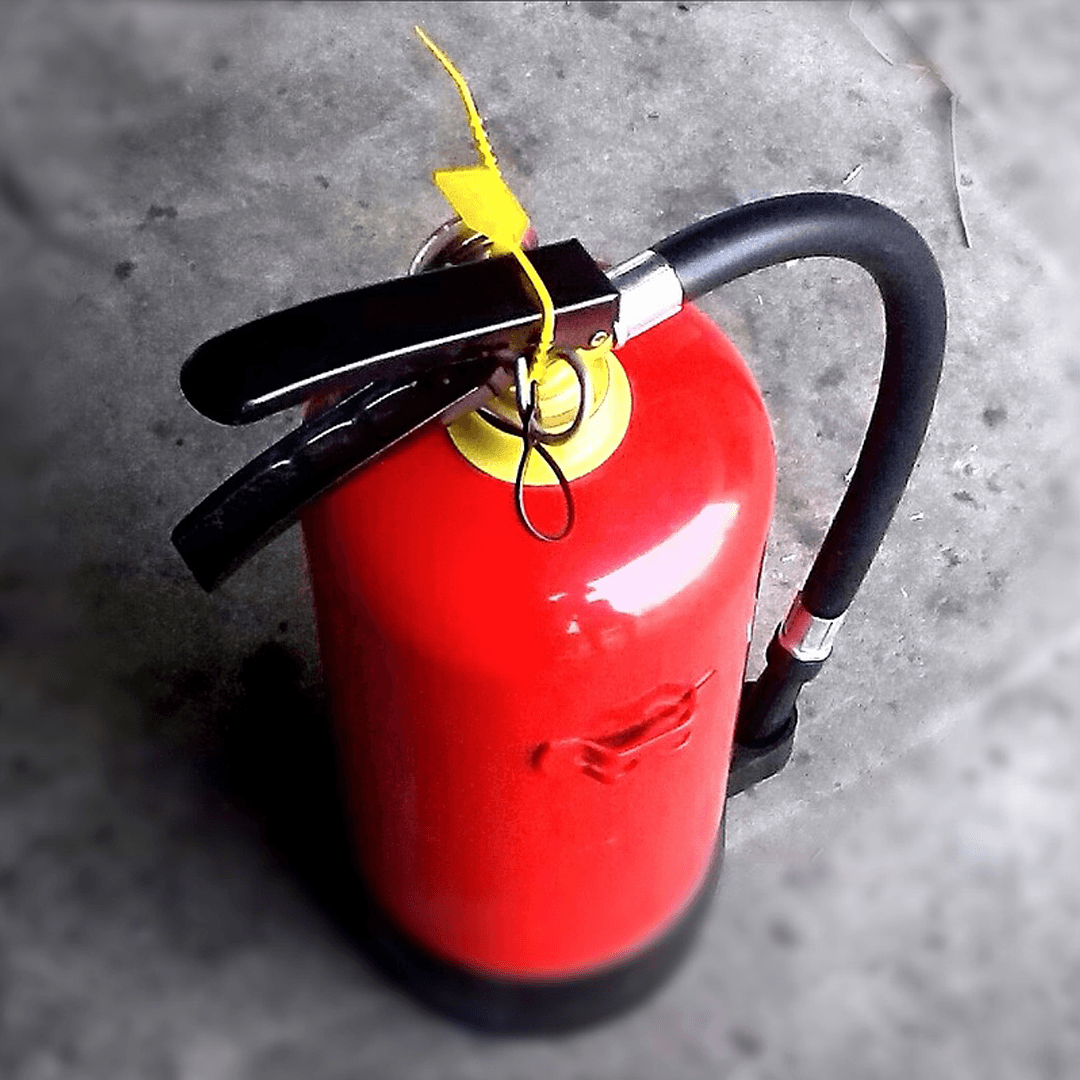
Water, foams, gels and retardants: learn about the main types of extinguishing agents and why the right choice can save lives.

What sets active fire protection apart from passive fire protection, and which systems belong to each.
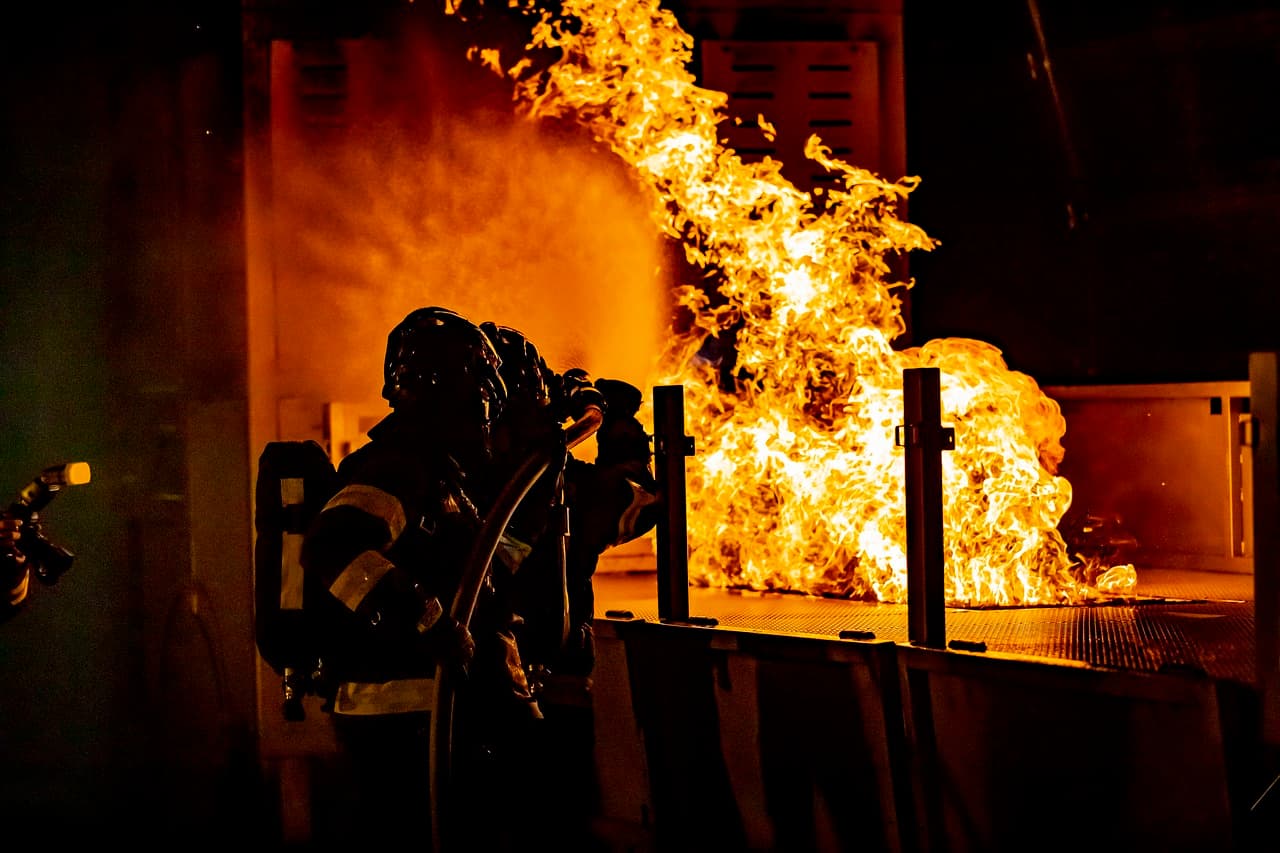
From human negligence to chemical reactions: the most common causes of fire in the wood, paper and chemical industries.
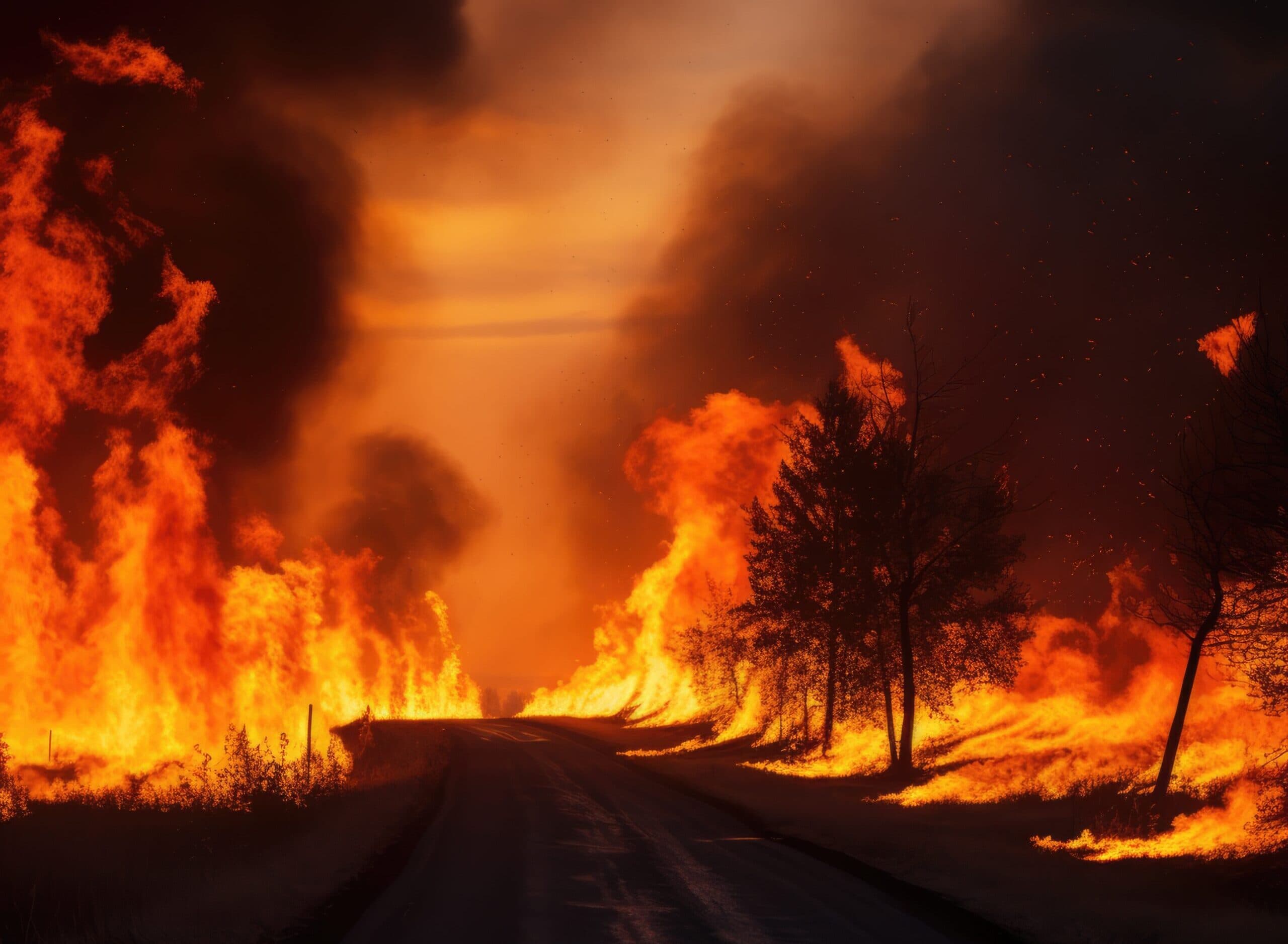
Large wildfires account for less than 1% of fires but around 60% of the area burned in Portugal in 2024.
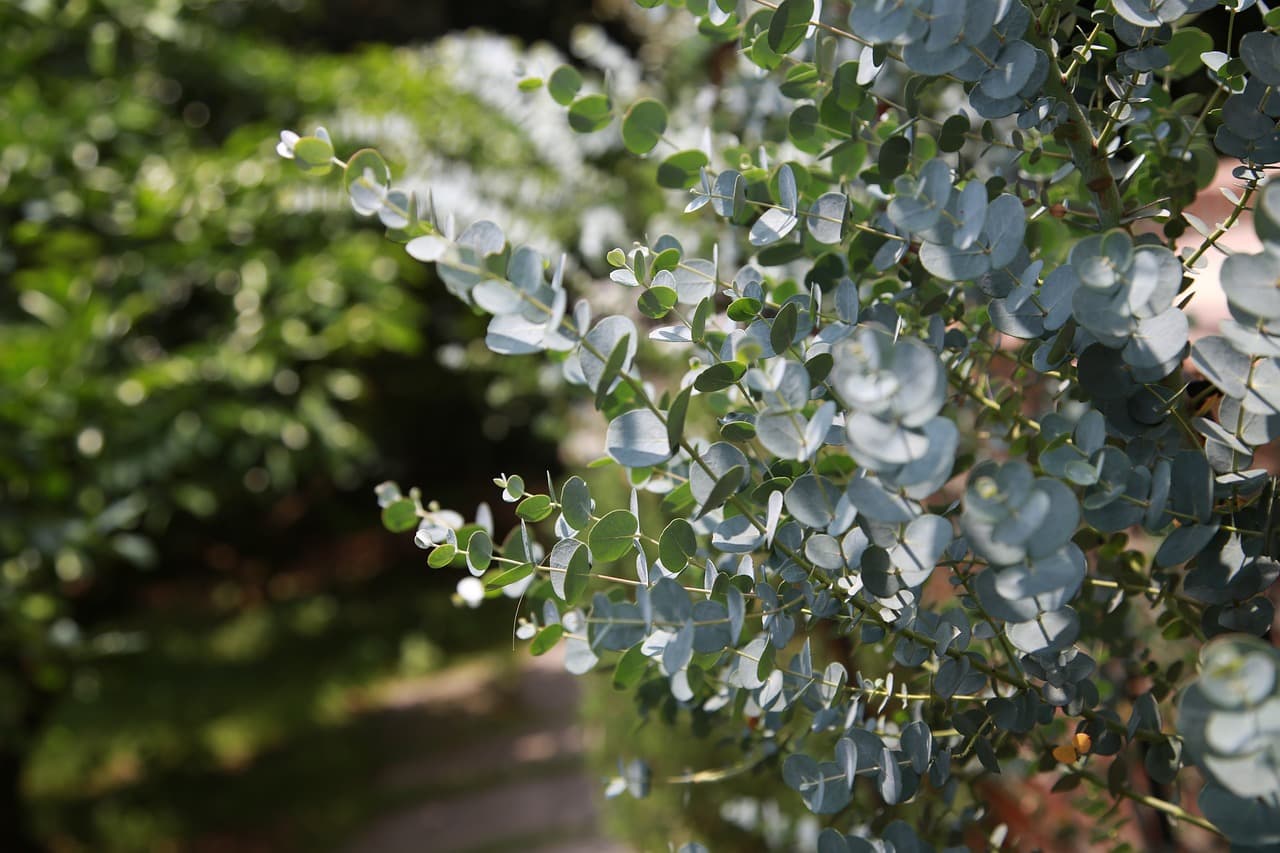
Eucalyptus is flammable, but pines and shrubland can be just as dangerous or more. Find out why and how to prevent fires.
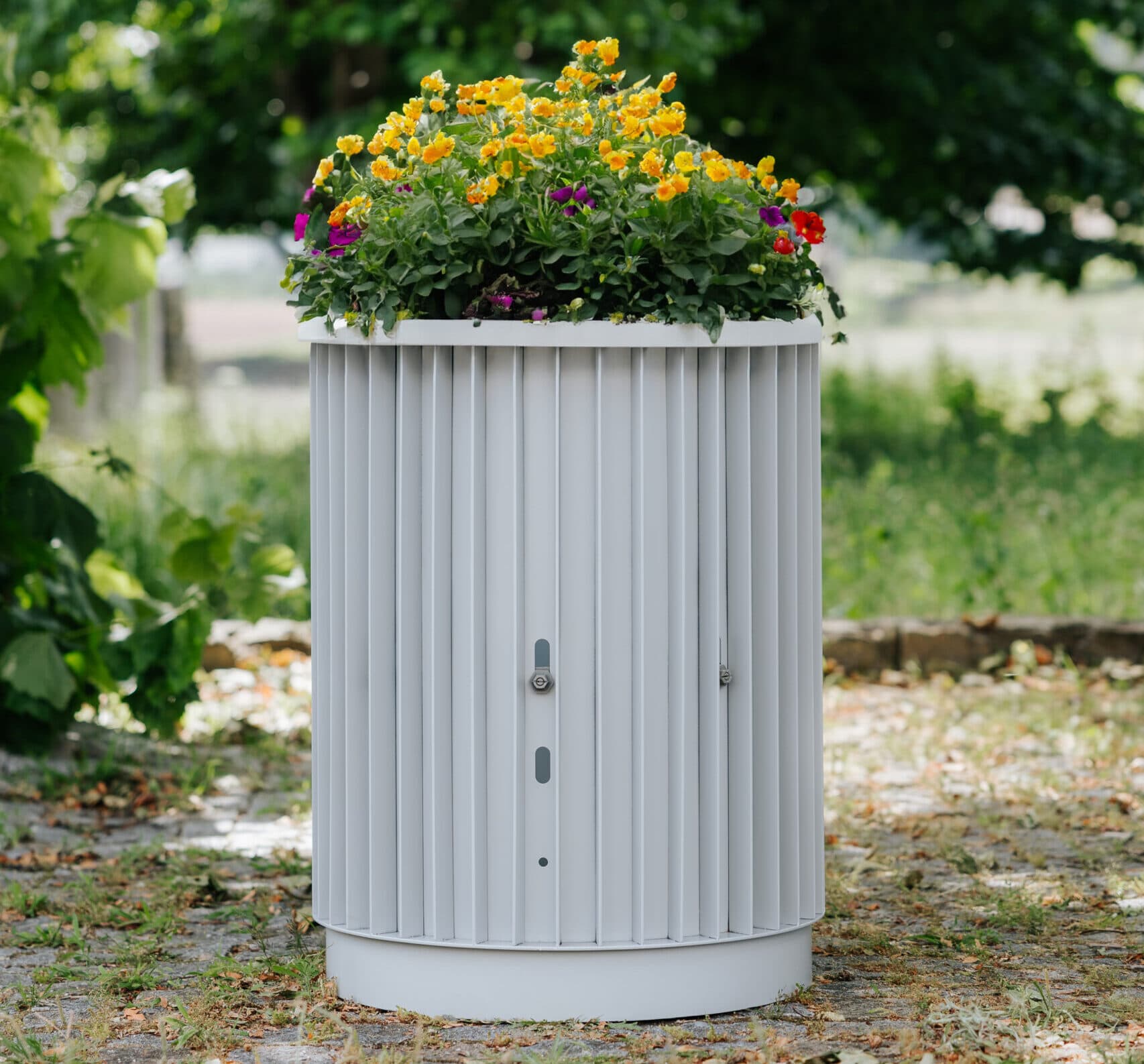
Join the Early Adopters initiative for free and try Sallus, our autonomous fire detection and suppression solution.
Two Hephaesnus solutions were selected for the FIRE-RES Innovation Acceleration Programme, with new real-world trials ahead.