
Smoke Inhalation Caused by Wildfires
The health effects of smoke inhalation, the most vulnerable groups and recommendations to limit the damage.
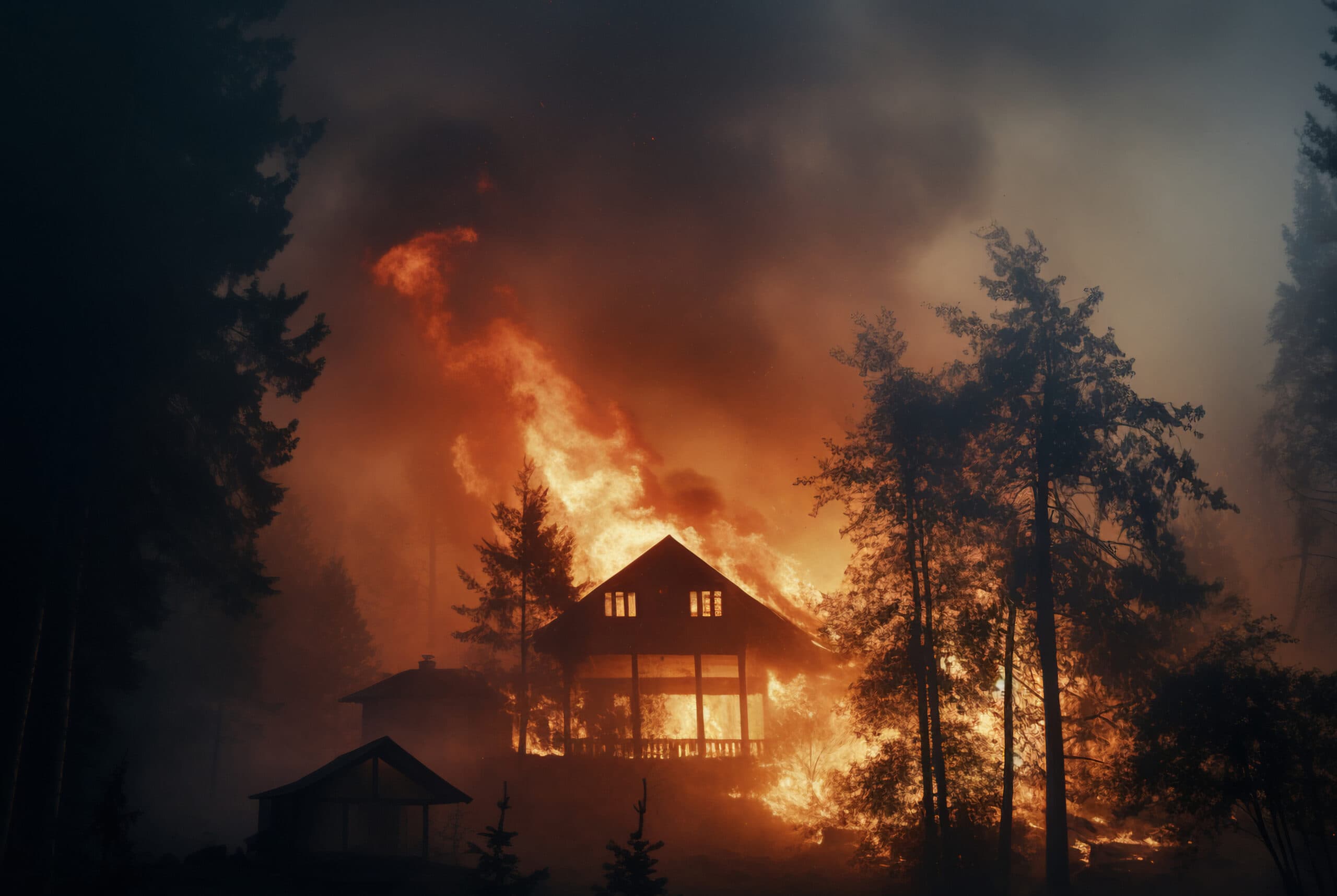
A month ago, the country was hit by many devastating wildfires.
These fires affected not only the areas where they occurred but also the surrounding areas, with dense ash and smoke making it hard for people to see and breathe.
These were moments of high alert and anxiety for much of the population, since inhaling toxic particles and harmful gases is one of the main causes of respiratory problems and other serious health complications.
Health effects of smoke inhalation
- Respiratory effects: Smoke contains toxic gases and fine particles that can cause short- and long-term damage
- Cardiovascular effects: It can trigger heart attacks and strokes
- Mental health effects: Going through a fire, whatever its nature, can trigger a range of mental health disorders
- Worsening of pre-existing conditions: Fine particles and toxic gases, together with lower air quality, can aggravate a pre-existing illness.
Mortality associated with each type of fire
WILDFIRES: Associated with the concentration of fine particles in the air, which affect breathing and cause other health problems.
HOUSE FIRES: Mainly associated with asphyxia.
Behaviours that cause the most harm:
Beyond the direct effects of smoke on people's health, there are a number of behaviours that can lead to injury and/or death if carried out without proper knowledge.
- Trying to put out the fire on your own
- Prolonged exposure during fires
- Failing to follow evacuation warnings
- Failing to take self-protection measures
Vulnerable groups:
When an event such as a fire occurs, part of the population tends to be more affected.
- Elderly people (75 and over)
- People living alone
- People under the influence of alcohol or drugs
Recommendations to limit the damage:
- Installing protection systems
- Evacuating instead of trying to put out the fire
- Community protection measures
- Drawing up and knowing escape plans
- Using air purifiers and respiratory protection
- Early warning systems
- Education on protective behaviours
- Long-term fire management policies
If you want to know how to protect yourself, read our article on
Active and Passive Protection.