
Fire Hazards in Cities
Wildfires increasingly reach cities. The role of the wildland-urban interface and climate change.
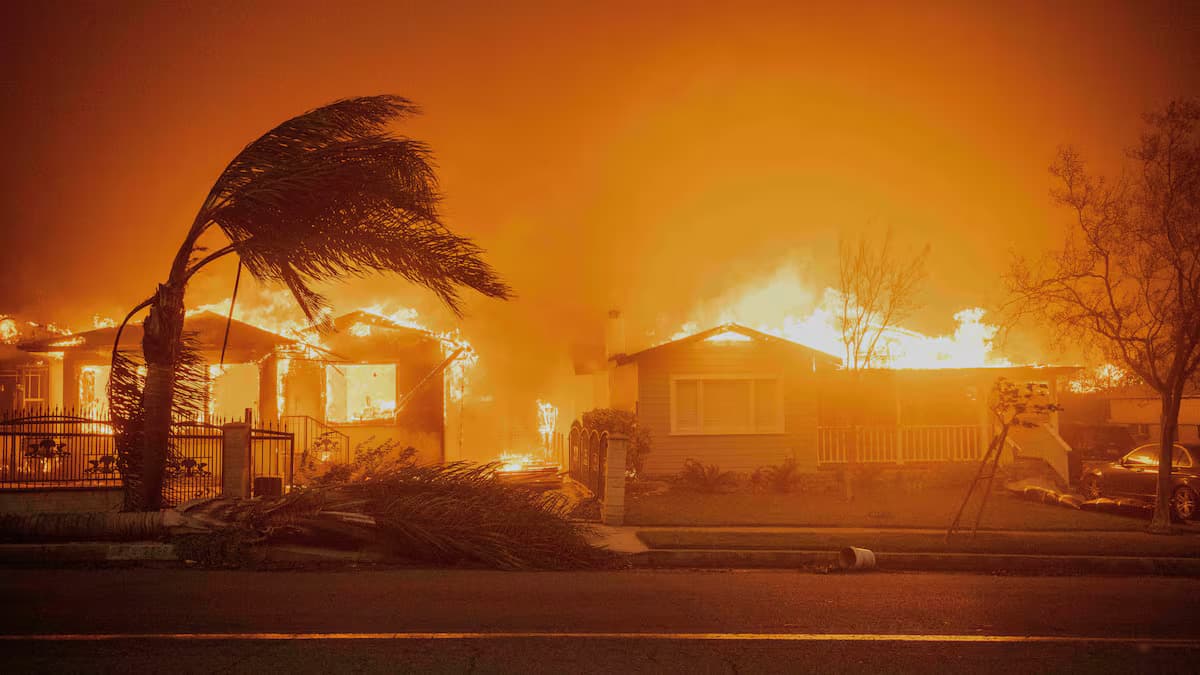
An issue traditionally seen as a rural problem is now affecting cities too. Wildfires are encroaching on cities and posing a significant risk to the communities that live there.
A key factor in this increased risk is the expansion of the Wildland-Urban Interface (WUI), areas where urban development meets undeveloped wildland.
How does climate change contribute to this situation in cities?
Climate change aggravates this threat by creating conditions for more frequent and severe wildfires. These fires have had catastrophic consequences, including loss of life, hazardous air quality, destruction of ecosystems and billions of dollars in property damage.
The recent Los Angeles fires, which began on 7 January 2025, devastated communities such as Pacific Palisades and Altadena, destroying more than 16,000 homes and contaminating drinking water. Residents faced not only the immediate dangers of the fires but also the long-term challenges of rebuilding their lives and communities.
These events highlight the need for comprehensive strategies to mitigate wildfire risk in urban areas. Communities must take proactive measures, such as creating defensible space around properties and developing evacuation plans.
At Hephaesnus we are working to find solutions that prevent and protect people and their property from these disasters, in the hope that they will start to decline.
If you would like to know more about these solutions, visit our store and discover what we have.
Store