
Thermodynamic Phenomena in Fires
Backdraft and flashover: how thermodynamic phenomena happen during a fire and how to recognise them.
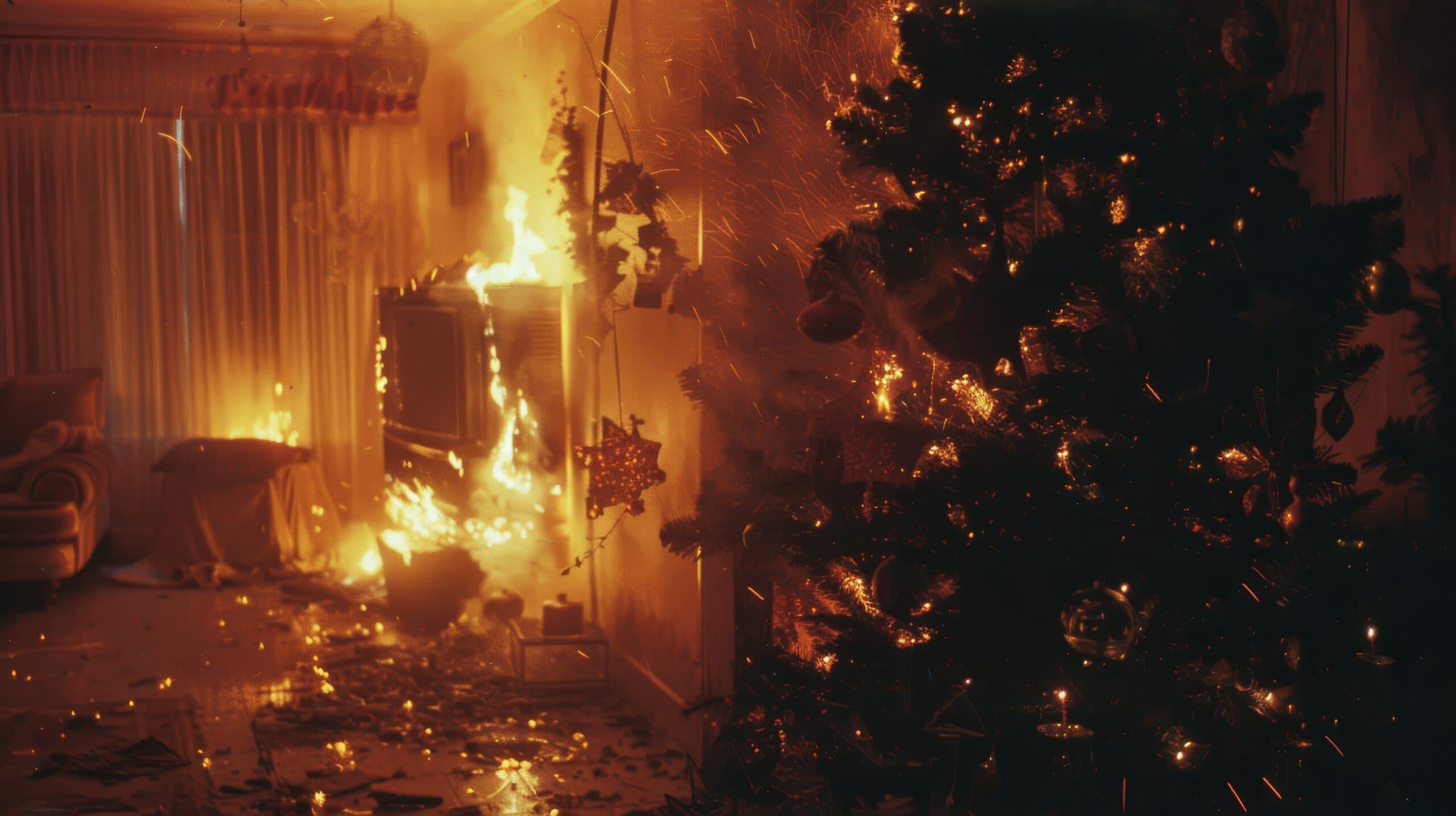
When a fire starts, many physical and chemical changes take place during the process.
These changes are caused by thermodynamic phenomena.
How do they happen?
The exothermic reactions generated by combustion release a large amount of energy as heat, causing a series of physical and chemical changes in the environment.
Combustion results from the reaction between oxygen and an oxidisable material.
Aggravating factors:
- Oxygen availability
- The nature of the fuel
- Amount of fuel
- Environmental conditions
- How confined the space is
Conditions under which they occur:
- Formation of convection currents
- Gas expansion
- Rising temperature
- Thermal radiation
There are two common phenomena:
BACKDRAFTS:
A smoke explosion that occurs in the smouldering phase of a fire. It is caused by a sudden inflow of oxygen into an area where earlier combustion has entered a low-oxygen phase. The remaining heat and unburned carbon particles then burn rapidly.
How to recognise it?
- Fire in an enclosed space and excessive temperature
- Low-pressure smoke
- Weak, barely visible flame
- Smoke leaving the space intermittently
- Smoke-stained windows
- Rumbling noise
- Rapid inrush of air into the enclosed space when an opening is made
FLASHOVER
A generalised combustion in which gases ignite simultaneously, setting the entire space on fire.
What happens?
Between the start of the fire and flashover, airflow and available fuel can cause this phenomenon within minutes.
At flashover, the local temperature becomes uniform and radiation levels reach their peak.