
Educational••
hephaesnus
The Relationship between Fire and Eucalyptus
Eucalyptus is flammable, but pines and shrubland can be just as dangerous or more. Find out why and how to prevent fires.
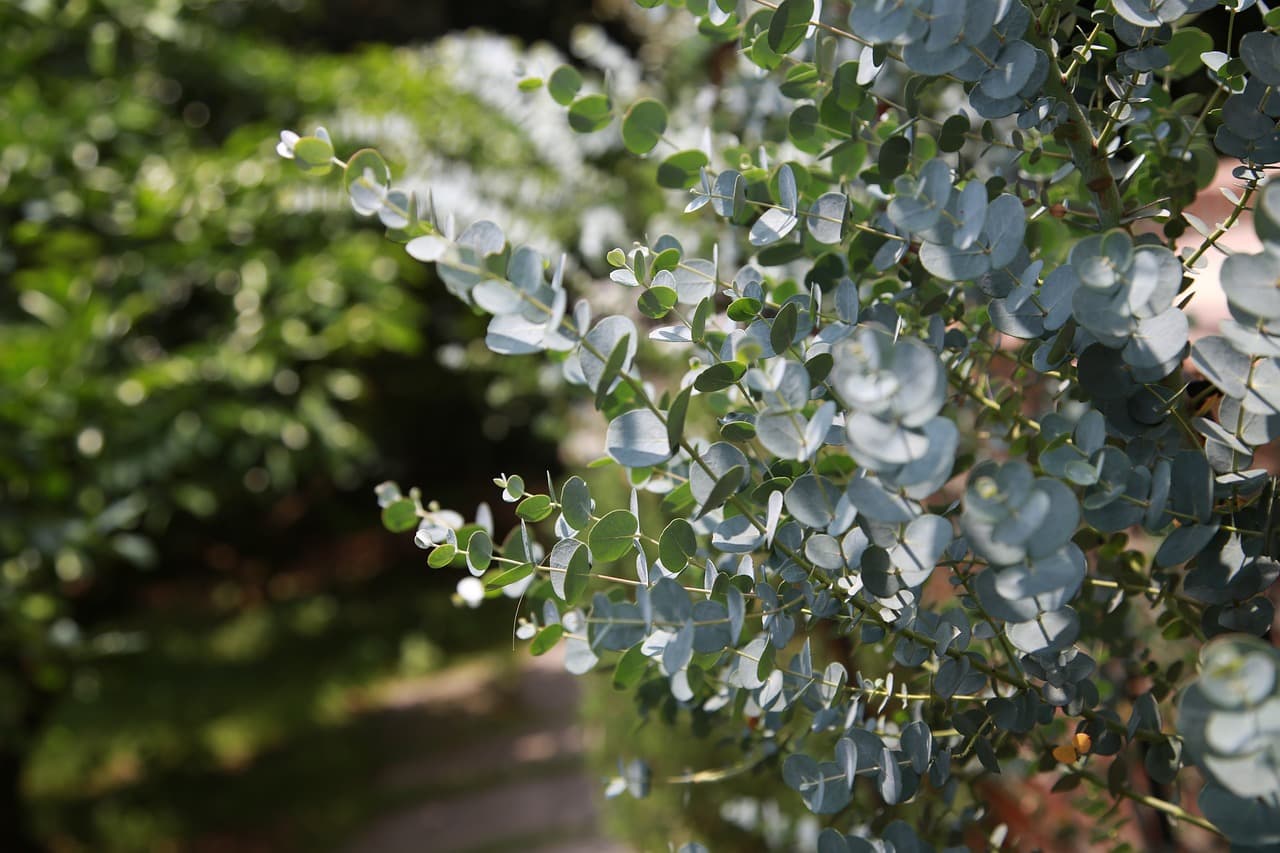
For some years now, the idea that eucalyptus plantations are directly linked to the growing number of large wildfires has become widespread in Portugal.
If you want to learn more about Large Wildfires, read our previous post
What makes eucalyptus stands a risky fuel?
- It contains a natural oil called eucalyptol, the main volatile organic component of eucalyptus leaf oil, which is highly flammable at temperatures easily reached during a fire.
- Eucalyptus easily sheds leaves, lower branches and old bark, which increases the density of flammable material.
- The shed foliage and dry bark contribute to rapid combustion that helps the fire spread.
The point is that, although it has flammable components, not all fires are caused by eucalyptus, nor is it even the riskiest fuel. There are two types of vegetation that are as dangerous as eucalyptus, or more:
Pines and Shrubland
Pines have:
- Resin: A highly flammable substance that permeates the whole tree
- Needle leaves: thin, dry leaves that grow upwards, helping fire spread through the crowns and acting as additional fuel
- Bark: Cracks in the bark help fire spread into the trunk, as well as allowing resin to flow
Shrubland, on the other hand, has:
- Dry biomass: Large accumulations in hot, dry climates, providing abundant fuel
- Oils: highly flammable, with volatile compounds igniting before the plant itself
- Dense structure: enables rapid spread of fire between fuels
With this information, how can we prevent fires?
- Better forest land-use planning and fuel management.
- Increasing agricultural land to break the continuity of high fire-risk forest areas.
- Mitigating the effects of climate change, such as extreme weather conditions.