
Fire Protection for Campsites and Glamping
Glamping and campsites differ in definition, in the law and also in fire protection.
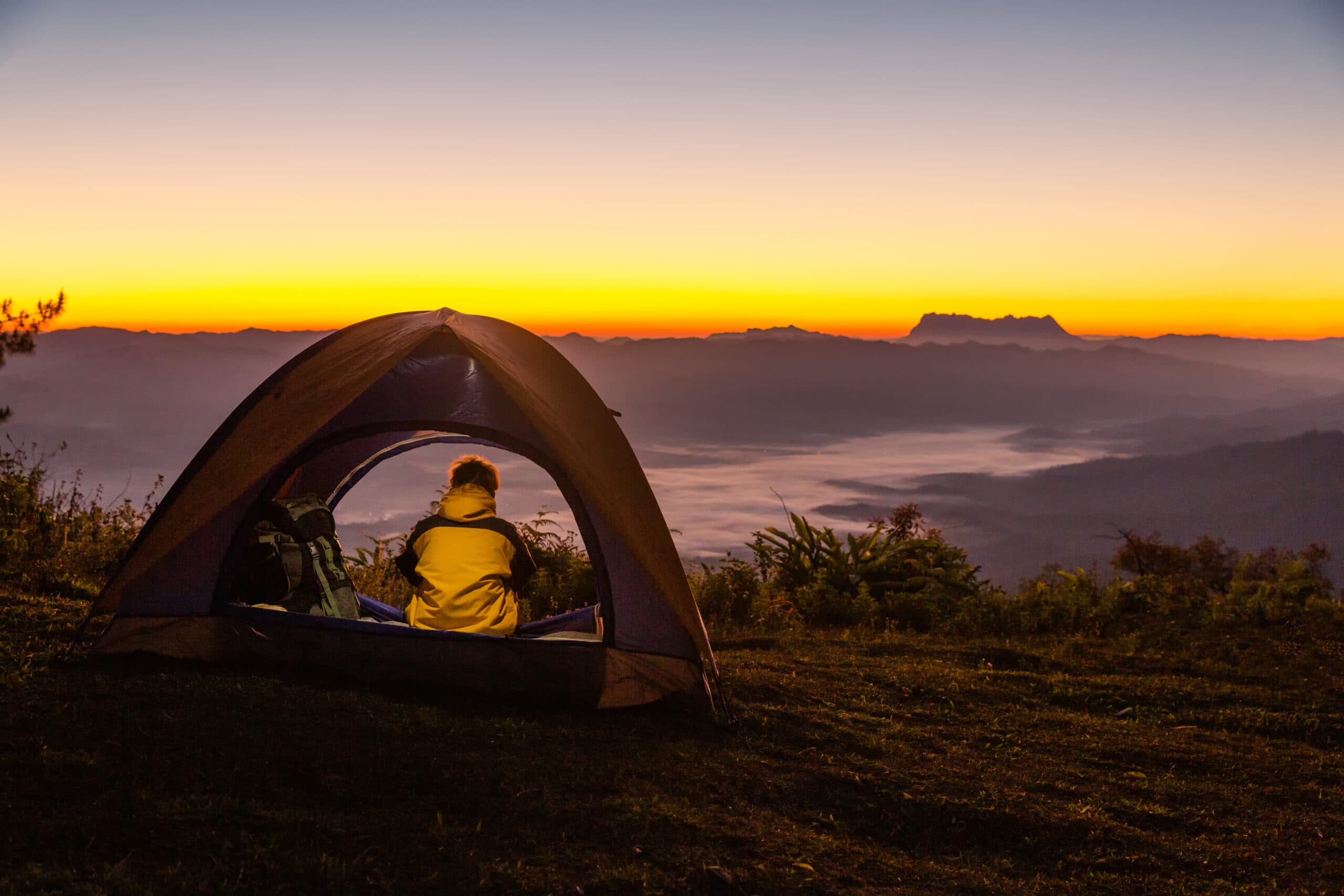
DIFFERENCES BETWEEN GLAMPING AND CAMPSITES
In recent years, the term Glamping has become increasingly popular, standing apart from traditional camping.
What is Glamping and how does it differ from camping?
The answer is very simple:
Camping is meant to be an experience to connect with nature and get away from the complexities of everyday life in a simple, traditional way.
Glamping is a place where you can enjoy all modern comforts in a setting close to nature.
But they differ not only in definition but also in other respects, including fire-related ones:
Legal
Glamping sites may be subject to higher licence fees and to a VAT rate similar to that of hotels and short-term rentals, while camping services are subject to the 23% rate.
Sanitary Measures
Because they offer additional facilities and services, glamping sites are more demanding in this respect, often including private bathrooms and higher cleaning standards.
Fire protection
Both types of facility are highly likely to catch fire from the outside, since almost all materials are flammable and many of these sites are located in rural or forest areas.
Both are governed by the same Portuguese fire prevention and protection law (RSIE, Decree-Law 220/2008), but there are several differences between them, for example:
- Fire safety regulations
- Safety and Emergency Plan
- Specific rules for forest areas
- Fuel management strips
- Signage and instructions for visitors
- Restrictions on the use of fire
- Firefighting equipment
- Periodic inspections
One of our goals is to simplify some of these requirements through our Sallus product, protecting these sites with the product's autonomy and technology.